Tags
Luxury used to be brand-defined. Heritage, innovation, exclusivity, and price dictated what was desirable and what we thought was worth paying for. Today, we’re seeing those controls start to shift.
In 2026, luxury is more consumer-led than it has been before. Shoppers are questioning what constitutes value, what feels authentic, and ultimately, what warrants a premium positioning. That doesn’t mean brands have lost control, but it does mean they need to work harder to define it.
The brands that are winning are those staying ahead of the curve and framing what matters, building meaning around their products, and making sure the story lands consistently across every touchpoint.
Despite a backdrop of rising prices and economic pressure, demand for luxury goods remains strong. In fact, three out of four Britons plan on buying high-quality, longer-lasting ‘investment’ fashion pieces in 2026. For luxury brands, it presents an opportunity to grow – but only when you know how to develop your strategy.
The four trends reshaping luxury:
1. The proof is in value and authenticity
‘Value’ across luxury is being renegotiated. It’s no longer just implied through branding or price, and increasingly, it needs to be proven. Shoppers are looking for justification before they invest their hard-earned cash. That means tangible quality, visible craftsmanship, and a strong, compelling narrative around the brand. That is delivered with total consistency.
In light of the cost-of-living crisis and climbing prices, 77% of shoppers have noticed that luxury goods cost more than they did a year ago and 41% have reduced their spending as a result. Audiences today need more than just a brand logo to justify the price. If you have that shift in mind, then it makes sense that 69% of luxury shoppers feel the brands they wear should not just be status symbols and should reflect something personal about their identity.
As a result, luxury is increasingly defined by brand and the narrative built around it. Purpose, history, traceability, and functional performance start to become part of the story, rather than jumping on trend cycles. With value under scrutiny, brands need to clearly articulate why they’re worth the investment.
Offer value beyond the product
Through strategy and consultancy, we help define your brand beyond the product – grounded in audience insight and meaningful differentiation.
On the activation side, paid social and UGC allow you to evidence value in real terms, while reinforcing the story behind it. Customer testimonials, product longevity stories and real-life use cases build proof, but they also bring the narrative to life in a way that feels credible.
2. Heritage as real value
Algorithmic sameness, endless scroll, and trend-driven culture are leading to growing fatigue. As consumers are constantly exposed to repetitive aesthetics, recycled trends, and content optimised purely for engagement, novelty wears faster and fewer things feel genuinely distinctive. This creates a sense of disengagement, where shoppers become less responsive to hype and more selective about what truly holds value.
In response, luxury brands are reframing knowledge as a form of luxury –using storytelling, archives, heritage, and craftsmanship to justify price and reinforce prestige. A triple digit bag or watch is no longer enough to signal luxury. Brands are recontextualising products through art, origin and founder stories, and behind-the-scenes content to show that you aren’t just purchasing a product; you’re tapping into a rich history or process that has been consistently refined to exceed expectations.
This is reflected in consumer behaviors: 76% of luxury shoppers see craftsmanship as essential to the luxury experience, 47% of global customers say a brand's story is a key driver in creating high-end brand perception and around 62% of audiences say they have an emotional connection to the brands they return to most often. Depth and authenticity are what tip the scale in 2026.
Transform heritage into a product
We help brands bring their heritage to life in a way that feels relevant, not retrospective.
Through web and eCommerce, we build digital experiences that embed storytelling into every touchpoint – whether it's through editorial content, behind-the-scenes narratives, or considered UX and web design that reflects craftsmanship. Thoughtful commercial strategy through paid media reinforces web efforts, ensuring these stories reach the right audiences, placing heritage front and centre in paid campaigns.
A client story in luxury
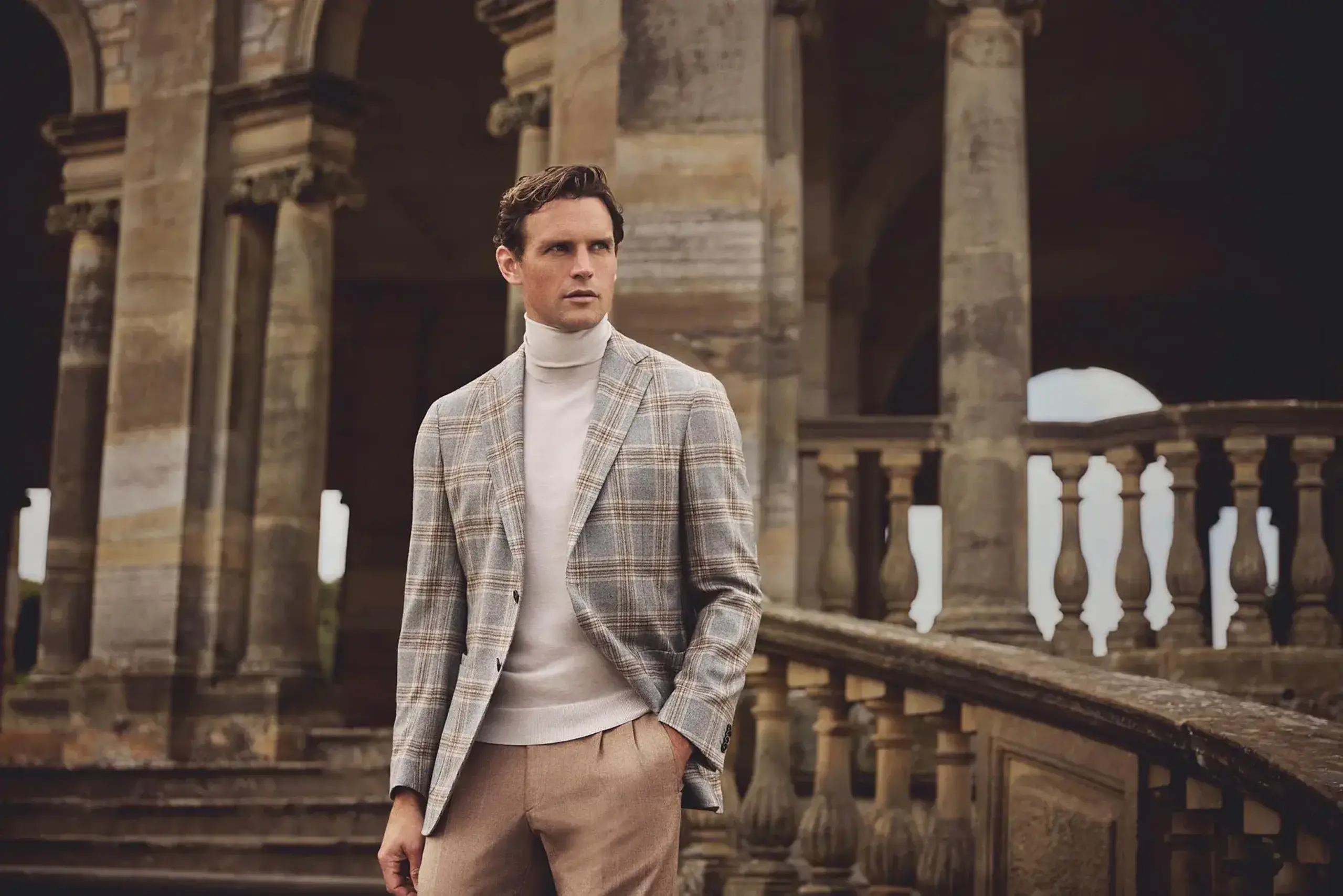
Our work with SCABAL brings this approach to life. Delivered in collaboration with Fostr, an IDHL company, we partnered with the brand to translate its bespoke in-store tailoring experience into a refined digital platform. SCABAL’s heritage is built on high-touch, personal service, and the challenge was to carry that sense of craft and exclusivity into a digital environment. Through considered UX and elevated design, we recreated the feel of a tailored in-store journey online - ensuring its luxury positioning and attention to detail were reflected across every touchpoint.
3. Make AI a trustworthy shopping guru
As AI becomes firmly embedded within the shopping journey, there are concerns that key luxury signals like originality, exclusivity, and quality are getting flattened. For brands built on identity and storytelling, the challenge is balancing efficiency with human connection, using technology to support the experience rather than overshadowing it.
AI intermediaries prioritise answers over brand stories. In luxury, where identity is central, this can weaken connection and intimacy. For high-value purchases, trust is still built through human expertise and service, suggesting AI should sit behind the experience — supporting operations while enabling more high-touch, front-end human interactions.
The tension is already visible in consumer sentiment. 55% of luxury executives are concerned AI could dilute core luxury signals, while 63% of Gen Z in the US view brands using AI-generated models as inauthentic.
For luxury brands, the focus should be on using AI to enhance efficiency and discovery, while protecting storytelling, craft, and human connection.
Finding the balance
Our experts help brands do this through relationship marketing, creating curated, personalised journeys that retain a human tone while leveraging automation behind the scenes. Unlike algorithm-led channels, email offers a more controlled, considered space - allowing luxury brands to deliver the high-touch, editorial experience customers expect, while AI supports efficiency through segmentation and personalisation.
Our SEO and GEO strategies optimise content for both traditional search and AI-driven discovery. From protecting rankings during site migrations to preparing content for LLM search, we help safeguard visibility, retain valuable traffic, and ensure your brand continues to be found by the right audiences, supporting sustained growth in an increasingly competitive search landscape.
4. Time as a luxury currency
Consumers are in their slow era. Luxury is shifting from ownership to access, with people increasingly seeking brands that act as cultural authors and offer immersive experiences.
74% of people have walked away from an online purchase due to sheer volume of choice, and 78% feeling overwhelmed by product selection. Meanwhile, 63% consumers are more likely to consider purchasing from brands whose stories they resonate with.
We’ll say it again: this is where luxury is becoming more intentional. Brands need to be moving away from high-volume digital noise and instead create consistent, multi-channel, curated experiences that encourage engagement and reflection rather than friction.
AI and VR are great examples in this space, used to enhance engagement through immersive installations, blending physical and digital touchpoints. Brands are also turning archives and craftsmanship into content-led storytelling, from long-form video and audio experiences to in-store exclusives and activations.
Making your brand a luxury experience
The opportunity is to treat time as a luxury asset, shaped through deeper, more meaningful brand engagement. We help brands do this through our MTM brand. Brand identity, creative design, film and animation, all enable immersive content and brand systems that bring craft and storytelling to life.
MTM’s approach goes beyond showcasing products, immersing shoppers in the world behind them through narrative-led content, design systems, and film that highlight story, process, craftsmanship, and detail. This adds value beyond the physical product, turning each interaction into a richer brand experience that builds emotional connection and elevates perception.
.webp?language=en)
Redefining luxury with IDHL
Luxury in 2026 is more deliberate, more personal. Consumers are questioning value more closely, but it’s still up to the brand to define what it means.
It all comes down to clarity – ensuring a clear point of view, a narrative that can be communicated consistently, and the discipline to carry it through everything, from brand to experience to performance.
That’s where you should focus. Bringing strategy, storytelling, technology and performance together so they work as a system and deliver commercially.
Get in touch to chat with our experts and download the guide for further insight into these shifts.
.webp?language=en)