Tags
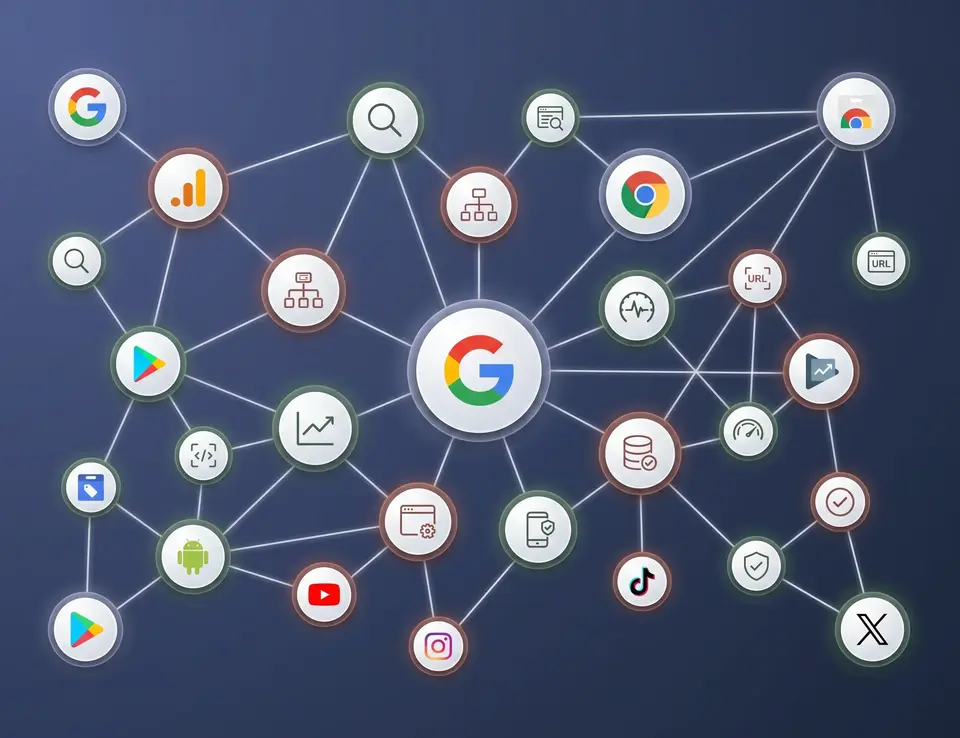
Google’s got an announcement: Search Console will now offer reporting for content hosted on platforms such as YouTube, Instagram, TikTok and X. On its surface, it sounds like just another analytics update or a prompt to produce more video content. In reality, it's something to get excited about.
It’s Google’s clearest signal yet that we’re moving away from a website-centric view of performance and acknowledging that modern discovery takes a more holistic approach.
This update allows brands to understand how their social and video content is being discovered through Google Search, including the queries driving visibility, clicks and engagement across platforms. The reporting is useful. But there's a deeper strategic significance that we’re excited about:
It validates what we’ve been seeing in consumer behaviour
For years, we’ve been observing that people don’t just search on Google anymore. Brands are discovered through TikTok, YouTube, Reddit and AI-powered experiences before converting.
Google's decision to bring social and video reporting into Search Console is effectively an acknowledgement that discovery happens across multiple surfaces, not just websites. The reporting itself is useful, but the bigger story is Google's recognition that visibility is being earned across a far broader ecosystem than traditional search.
Closing a major measurement gap
Historically, Google Search Console only showed visibility for assets you owned directly, primarily your website, and traffic was treated as the primary indicator of marketing success. Not anymore.
Customers can now discover a brand through TikTok, validate it through Google, watch YouTube content, ask an LLM for recommendations and only later convert through a branded search or direct visit. This update demonstrates which search queries are driving impressions and clicks to social content hosted elsewhere.
Connecting SEO, social and content
SEO, social, PR, content and video can no longer be treated as standalone channels. As audiences move seamlessly between different channels to inform recommendations, search visibility increasingly comes from multiple content formats, including reels and creator content.
The next step is to build integrated strategies that create consistent authority across all discovery surfaces.
Creating new opportunities for measuring influence, not just clicks
Marketers can start analysing how content contributes to discovery long before a prospect lands on a website. That’s particularly valuable in a world of AI Overviews, social search and the zero-click experiences.
In the next five years, the differentiator for success won’t be the best SEO strategy or website. Strong trust signals, exceptional services and consistent, authoritative communications wherever customers are interacting are what will tip the scales.
Measuring influence across the journey has become just as important as measuring the final conversion.
The caveat to keep in mind
While the update is useful, its value will vary depending on audience behaviour and the channels a business uses. A B2C retailer with a strong TikTok or YouTube presence could unlock significant new insight, whereas a B2B organisation generating demand through LinkedIn, events and analyst content may find reporting less representative of the channels that actually influence conversions.
We’re not suggesting that every brand should focus on social video, rather that measurement frameworks need to reflect the channels their distinct audiences use to discover, validate and engage with brands.
Rethinking how to measure marketing performance?
The Google update has given marketers a lot to think about. If you’re reviewing how discovery is changing for your audience and whether your current measurement framework reflects that reality, IDHL can help. Get in touch with our team today.