
Tags
Sustainability is no longer a subculture. Shoppers are more responsible, expecting brands to operate using ethical practices, and are partaking in the reuse, recycle mantra. Secondhand products now account for 34 – 45% of UK retail spending meaning reverse commerce is not something businesses brands can ignore.
Gone are the days where hand me downs or charity shop finds weren’t the done thing – today, the resale market has expanded 2.7 faster than any over apparel industry.
Sustainability is now an everyday digital habit, not just for those already focused on buying used products. But for retailers whose business model is geared around new product cycles, how can their brand evolve with the sustainability movement? In this blog, we take a look at what reverse commerce is and how your brand can benefit from this movement.
The rise of recommerce
The concept of buying and selling used goods is a tale as old as time but reselling was limited to specific platforms and stayed in its own lane. Previously limited to flea markets and car boot sales, digital platforms like eBay and Gumtree have led the digitised charge for over 20 years. Now preloved market platforms like Depop now have over seven million active buyers.
Sustainability and the environment have been bubbling away in consumers’ minds for some time, with the cost-of-living crisis pushing purchasing decisions to a head. Four in five UK consumers buy recycled items to make their money go further.
Brands have been focusing on the increased demand for sustainability through packaging, product materials, and delivery. Now, alongside this, brands must look at how they can introduce reusing or recycling their existing products into their business model.
How can recommerce benefit your brand?
It’s clear that second-hand shopping isn’t just a fad, with online purchases of preloved items expected to generate nearly $5 billion by 2031. The shopping landscape continues to develop, with more pressure from consumers to offer environmentally friendly purchasing options. If your brand doesn’t tap into this market, you’re losing revenue:
Attract new markets
Customer acquisition is always a key motive for businesses, no matter what product or service you provide. But the question is, how do you attract new customers?
By diversifying your product offering and opening up to reverse commerce, you’re tapping into new revenue streams. Gen Z is the demographic leading adoption, with over 40% turn resale to find a bargain. As this latest generation hit the workforce with disposable income, it’s important to capture their interest with second-hand options. Failing to do so means lost revenue to competitor brands.
Lower costs widen your audience pool
Recommerce also allows you to offer different price points for your products. For new items and releases, your traditional pricing model continues to serve existing customers who can afford, or are willing to pay, for these. By using recommerce in your strategy, you open the door for customers who may be interested in your items but can’t afford the price point for new products.
To entice new customers, you can implement strategies similar to that of H&M, who accept old clothes from any brand not just their own. This gives new customers an incentive to give your products a go, without the need to buy new before benefiting from buyback schemes.
Retain your existing customer base
New customers are great but failing to prioritise those who already shop with you is a mistake. Sustainability is a widespread concern, so it’s likely that some of your existing customers are already changing their shopping habits. By providing second-hand or recycling options, your customers don’t need to look elsewhere. Instead, they can change their shopping habits with a brand they trust and know.
Boost your brand's credibility
Focusing on how your brand impacts the environment is important for how people perceive your brand. And in a world of social media, where everyone has an opinion, it’s vital that people’s perception of your business is a good one.
So, how do you ensure your brand is on the right side of public opinion? The simplest way is often the best way: do good to be good. Be authentic in your actions and show consumers that you put time and effort into your sustainability and recommerce strategy. If people think your motives for change are insincere, they won’t buy into your brand.
Leading the way in reverse commerce
Since the boom of recommerce, many big-name brands have implemented resale or recycle into their strategy. We’ve collated some of our favourites, showcasing how this movement can tie into a brand’s existing identity:
Gymshark gets thrifty
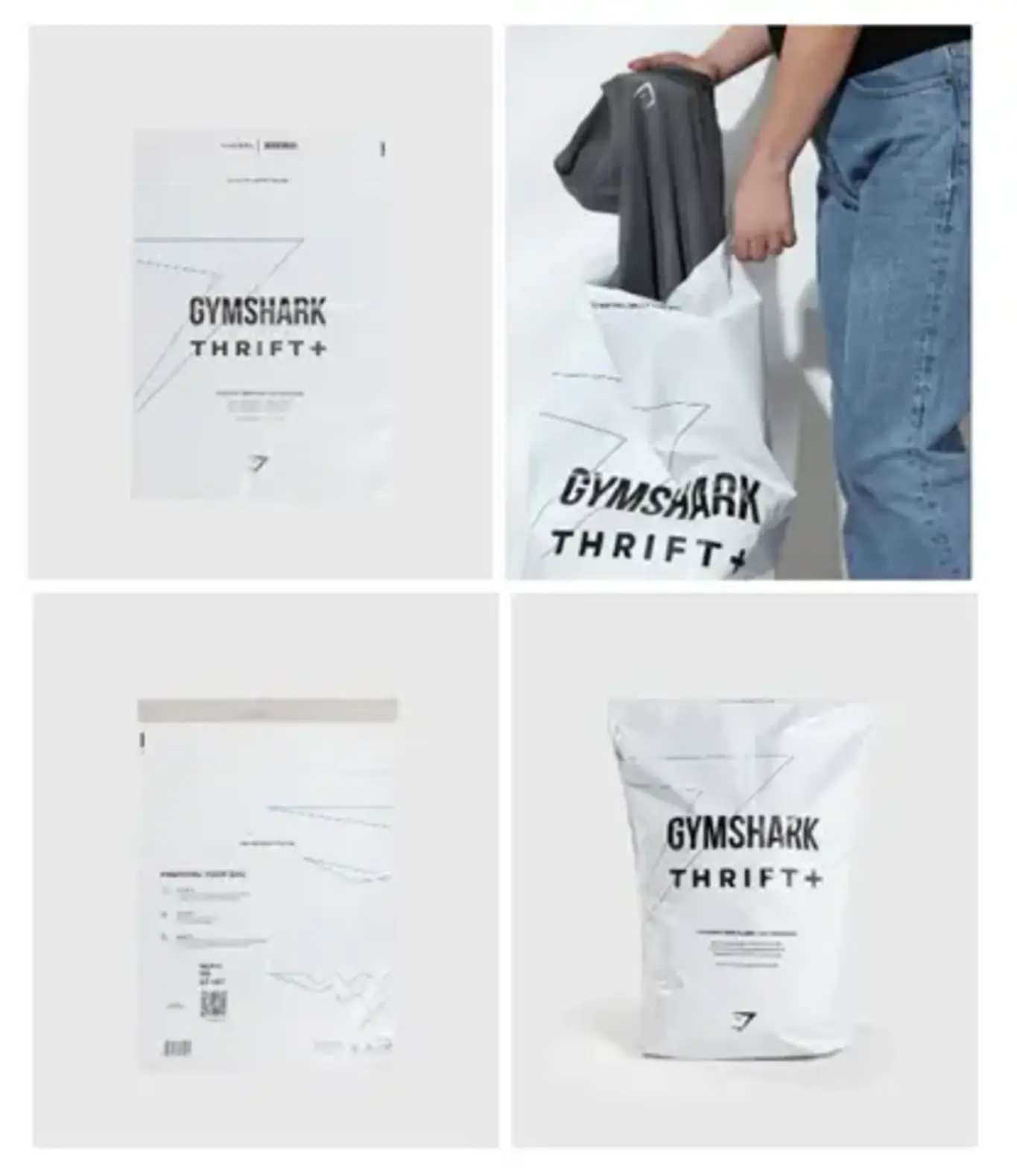
Gymsharks Thrift + programme takes a spin on recommerce. Recognising that second-hand gym clothes aren’t necessarily everyone’s cup of tea, the release of ‘Thrift +’ allows customers to send bags of used clothing to Gymshark in exchange for points when those items are sold on. Customers can then use these points on a variety of sites, including Gymshark, or donate a portion to charity.
Lucy & Yak's re-yak
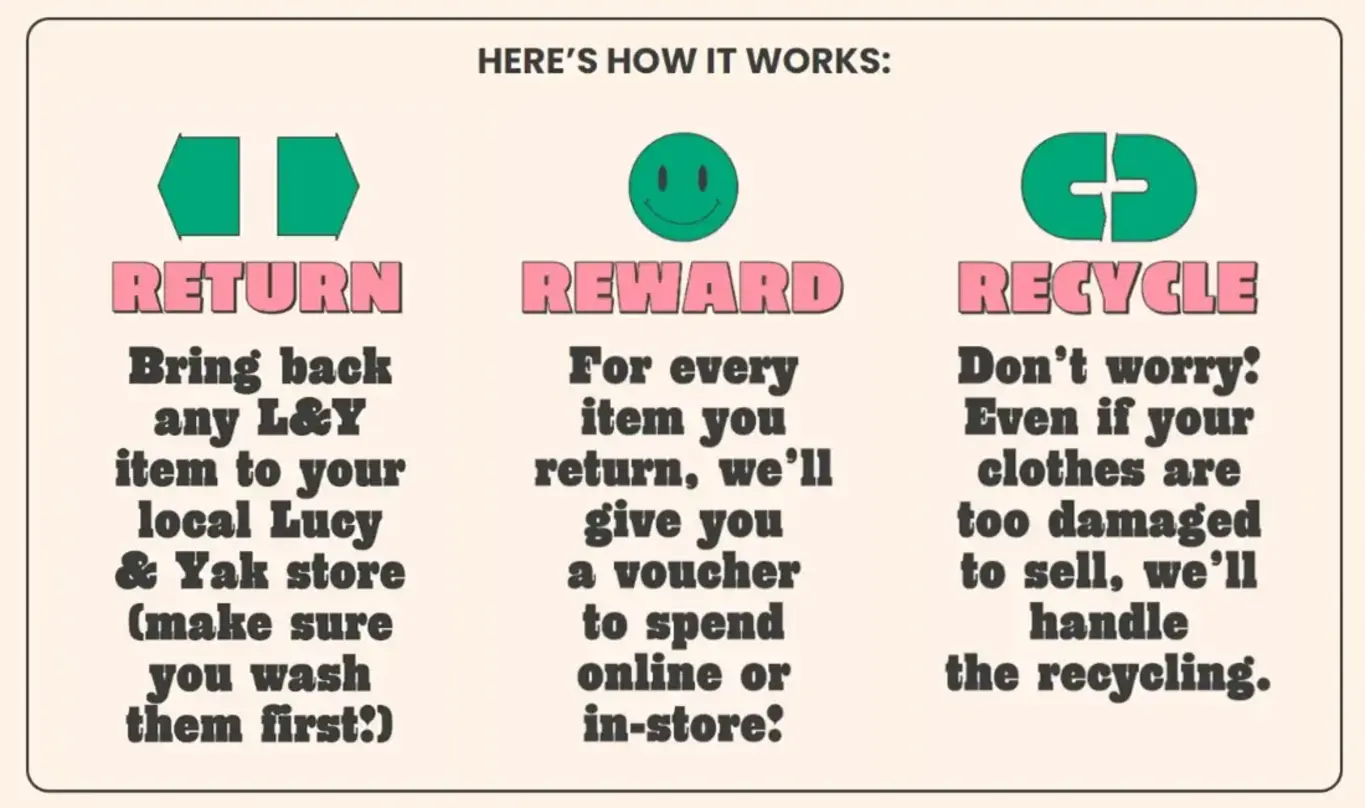
Already known for their efforts to support sustainability, Lucy & Yak have an initiative which allows customers to return old products in exchange for a voucher to spend with them. This scheme joins their existing efforts, which include their Facebook Marketplace where shoppers can buy and sell Lucy & Yak products.
Apple forges the way for tech recommerce
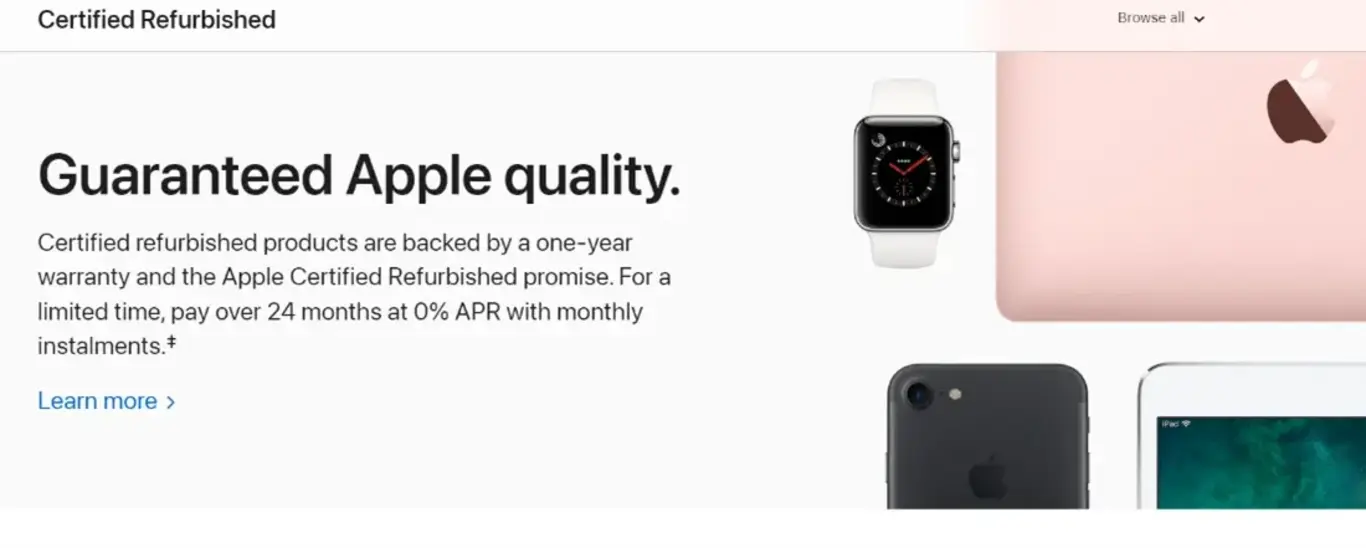
It may be booming in the clothes sector, but recommerce is not just limited to the fashion industry. In typical Apple style, they were ahead of the game and first offered refurbished phones on the website back in 2016. Along with Macs and iPads, customers can get their hands on fully refreshed tech at more affordable prices.The tech giant also offers a trade-in scheme, giving credit to use for newer items in exchange for older products. Any product that can’t be refurbed is recycled for free by Apple.
Start your recommerce journey with IDHL
As a web agency, we understand that what we do impacts the environment. We're working hard to reduce the impact of our site and our clients’ websites by making changes to reduce our overall carbon footprint. With a wealth of experience across the retail sector, we can help your brand diversify and implement recommerce into your strategy. Ready to start?


.webp?language=en)