
Tags
AI development is moving beyond prototype stages, and agents have evolved from experimental novelties to common components of business infrastructure. Already 62% of organizations are experimenting with AI agents, with momentum growing and forecasts that nearly three in four companies will use agentic AI in core operations within two years.
AI agents are no longer just simple automation tools; they are becoming decision-makers and workflow orchestrators, driving revenue and streamlining processes.
The number of AI agents is growing exponentially, but no two tools are the same. Before embracing AI agents, marketers and executives must understand their distinct differences and common workflow setups.
1. Chatbots
AI chatbots simulate human conversation, processing text and audio inputs to handle high volumes of customer inquiries quickly and accurately. They are firmly established in agentic commerce, with 78% of companies already using conversational AI to resolve technical issues and customer questions.
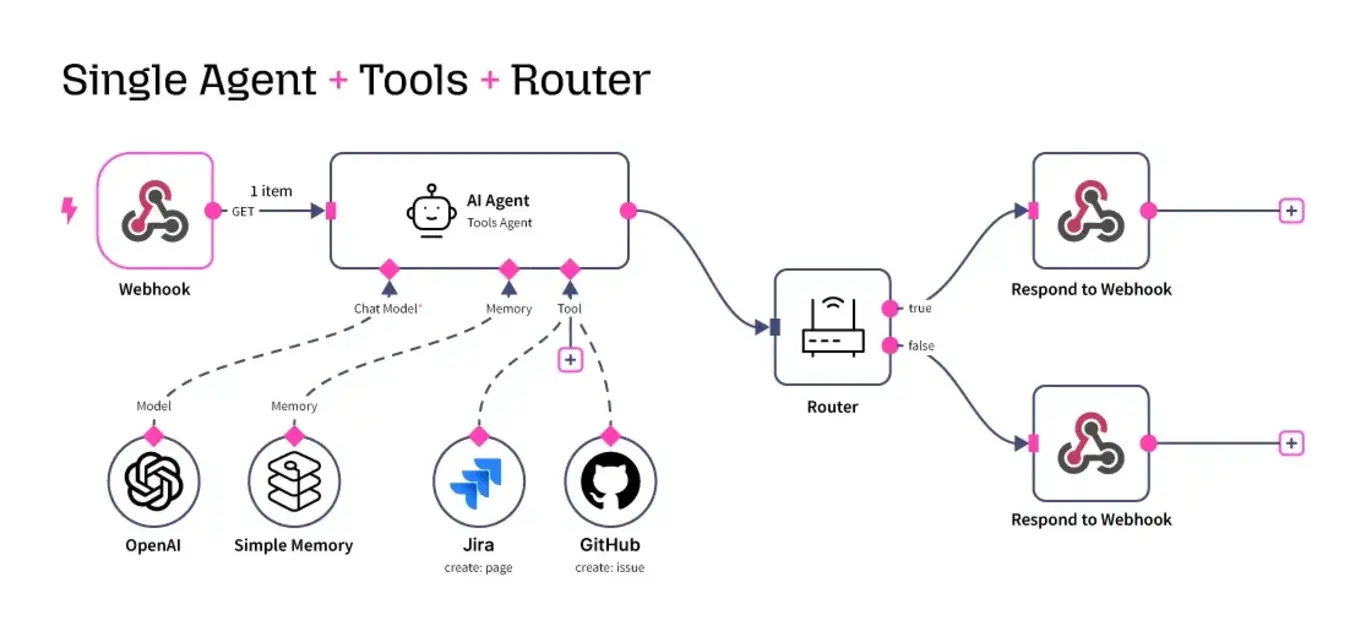
In this setup, the agent reviews the task following the initial request and directs it to the appropriate tool or service. For example, in customer support, the 'router' decides whether to use live chat, a CRM system, or a knowledge base to address the inquiry.
2. Virtual assistants
Siri, Alexa, and “Okay Google” are virtual assistants increasingly using natural language processing (NLP) and artificial emotional intelligence to schedule appointments, set reminders, give directions, and even make purchases.
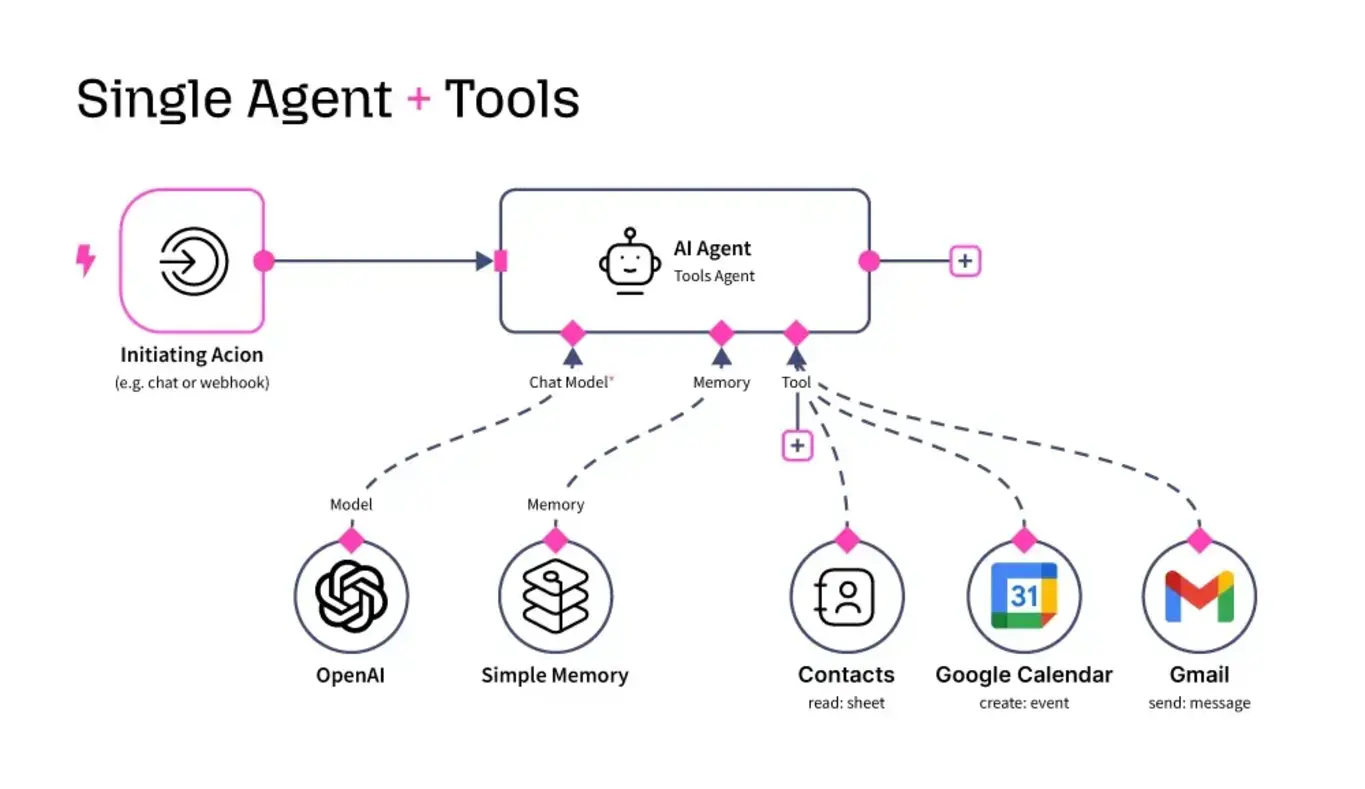
Tools like Google Assistant use external resources to perform tasks, with agents receiving initial commands and sending them to tools, processing results directly into their decision-making workflows.
3. Recommendation engines
These systems power platforms from Netflix to medical tools, using machine learning to analyze user behavior and suggest relevant products or services. Reviews, past purchases, and search history all feed personalized recommendations.
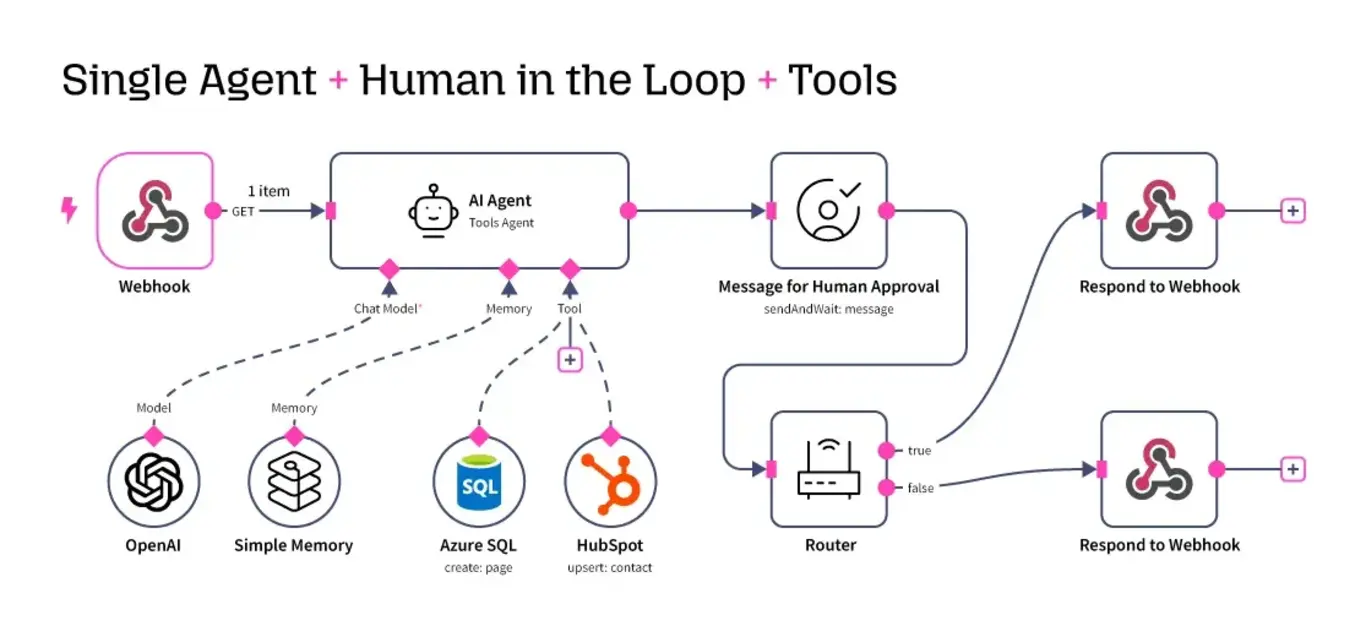
While the AI agent suggests actions, final decisions require human review. Humans can examine, correct, or approve AI decisions, common in medical diagnostics and financial monitoring.
4. Autonomous agents
Autonomous agents use machine learning, NLP, and analysis to make real-time decisions based on environmental data. Adoption of physical AI is rising—Deloitte reports 58% of businesses already use physical AI, expected to reach 80% by 2027.
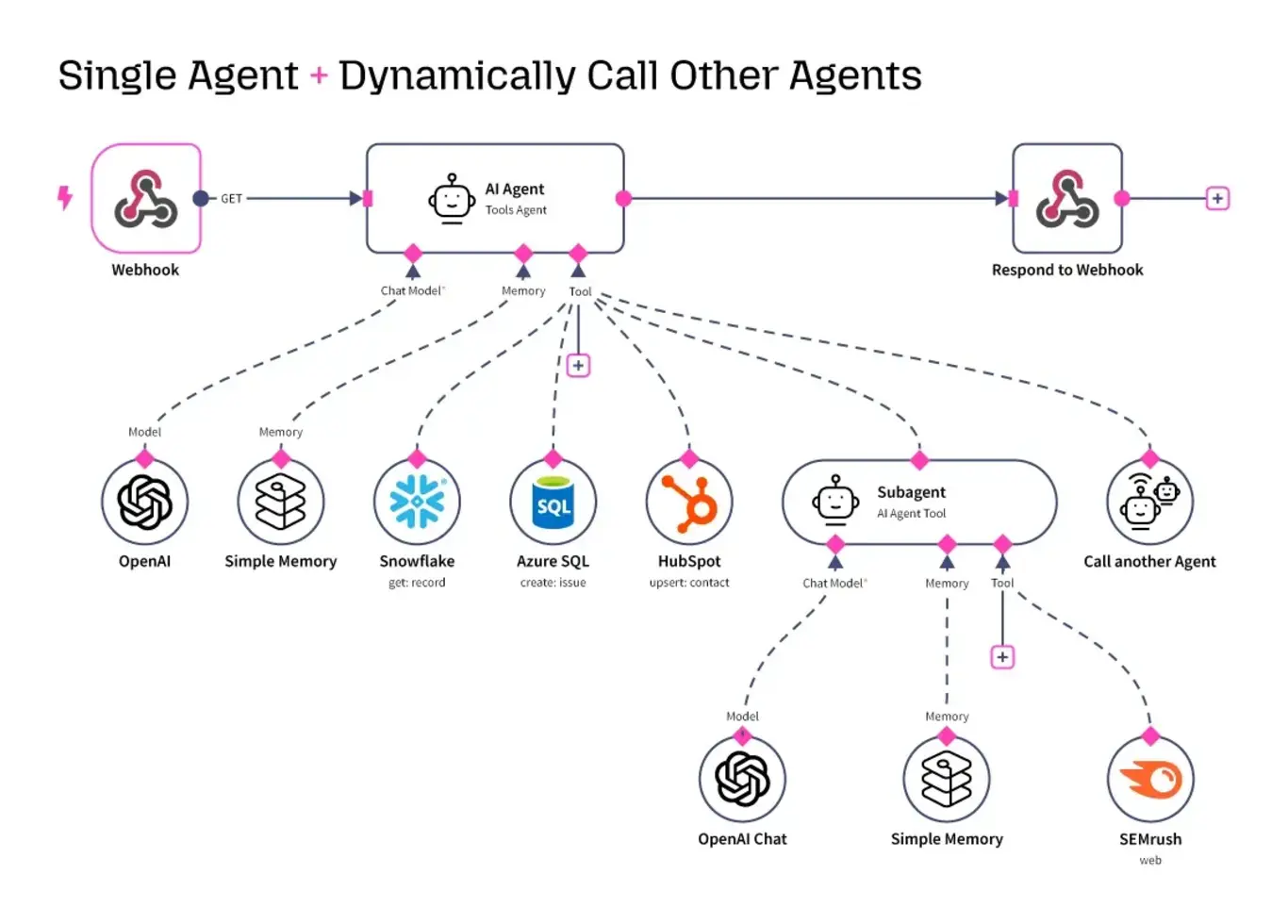
One AI agent can communicate with others as needed; these secondary agents are selected to perform specific tasks based on context or complexity. For instance, in self-driving cars, the primary agent can utilize specialized agents for navigation or object recognition.
5. Content and asset generation agents
AI models now generate articles, scripts, videos, product descriptions, and design assets. These tools assist with marketing copy, educational materials, social posts, and more.
Just look at the blog header.
Using the advanced AI generation model, Kling 2.6, our experts provided a clear prompt to generate the high-quality, cinematic asset displayed above.
Asking more from AI with IDHL Labs
AI is evolving rapidly, and understanding its complexities can be challenging. IDHL Labs was created to clarify this complexity by tracking AI developments and helping clients improve performance in an AI-driven world. To learn more about AI agents and how they can support your goals, contact us today.